More Than a Bad Stomach Day: Helping Your Dog Stay Nourished Through Chemotherapy
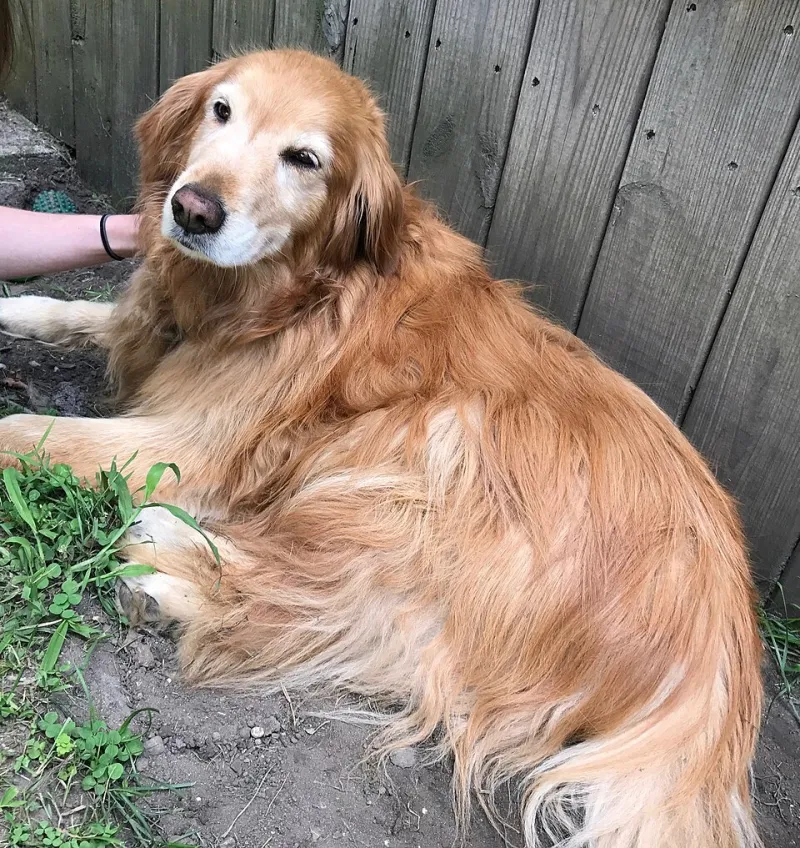
Photo: Atlas815, CC BY-SA 4.0, via Wikimedia Commons
When a family first hears the word "chemotherapy," their minds often jump to human cancer treatment — the prolonged nausea, the wasted weeks, the battle just to keep food down. It is worth saying at the outset: veterinary oncology is different. Dogs receive lower doses and less aggressive protocols than human patients precisely because the goal is not merely survival, but a good life during survival.
Still, treatment-related queasiness is real, and pet parents who learn to recognize it early can protect their dog's appetite, weight, and spirit throughout the journey.
Why Nausea Happens During Canine Chemo
Chemotherapy drugs target rapidly dividing cells. Cancer cells divide quickly — but so do cells lining the gastrointestinal tract, which is why nausea and occasional vomiting can follow treatment. The good news is that veterinary oncologists anticipate this and build anti-nausea support into the protocol itself.
Modern practice typically pairs chemotherapy agents with scheduled antiemetics and gastroprotectants, often given the day of treatment and for two to three days afterward. Drugs in the maropitant class, developed specifically for dogs, have substantially changed the landscape: what was once a tolerable-but-rough experience is now, for most dogs, a series of unremarkable clinic visits followed by a normal evening at home.
Learning Your Dog's Quiet Signals
Dogs rarely announce nausea the way they announce hunger. Instead, watch for:
- Lip licking and repeated swallowing when no food is present
- Excessive drooling, especially overnight
- Turning away from a bowl they normally finish
- Eating more slowly, or carrying food and dropping it
- A hunched posture or reluctance to lie flat
- Unusual grass eating
Weight loss is the late sign — the goal is to intervene before the scale tells you something is wrong. Consider weighing your dog weekly at home if your clinic provides access to a scale, or ask to stop by for a quick weigh-in between appointments.
Protecting the Appetite, Meal by Meal
Nutrition during treatment is not about perfection; it is about consistency. Strategies that many oncology teams recommend:
Serve smaller meals more often. Five or six small portions are easier on a queasy stomach than two large ones.
Warm the food slightly. A few seconds in the microwave releases aroma, and smell drives appetite in dogs far more than flavor.
Hand-feed when it helps. For some dogs, eating from the hand reframes mealtime as comfort rather than obligation.
Time meals around treatment. Many oncologists suggest feeding a light meal a few hours before a chemo appointment and keeping the evening afterward quiet and low-key.
Never withhold food as a strategy. Old advice about "resting the stomach" has fallen out of favor — prolonged fasting worsens nausea and can complicate treatment schedules.
Questions Worth Asking Your Veterinary Oncologist
Come to appointments with a written list. Useful questions include:
- Which drugs in my dog's protocol are most likely to cause stomach upset, and on which days?
- What anti-nausea medications are planned, and what should I give at home if signs appear?
- At what point should I call — after one skipped meal, or two?
- Would an appetite stimulant be appropriate if weight starts to slip?
- Are there foods you want me to avoid entirely during treatment?
A good oncology team expects these questions and will welcome them. If you feel your concerns about queasiness are being minimized, it is reasonable to ask what else can be added to the supportive care plan.
Perspective for the Road Ahead
The majority of dogs treated for lymphoma, osteosarcoma, and other common cancers experience mild side effects, and many families report that their dog's quality of life during treatment was better than expected. The difference between a rough course and a manageable one often comes down to attentive owners and proactive anti-nausea care.
If your dog is beginning treatment, know that queasiness — when it occurs — is not something to simply endure. It is a medical problem with medical solutions, and your veterinary oncologist has more tools today than ever before. Your role is to watch closely, report early, and keep the food bowl — and the treats, and the joy — in the picture.