Road-Trip Ready: A Practical Comparison of Canine Motion Sickness Treatments
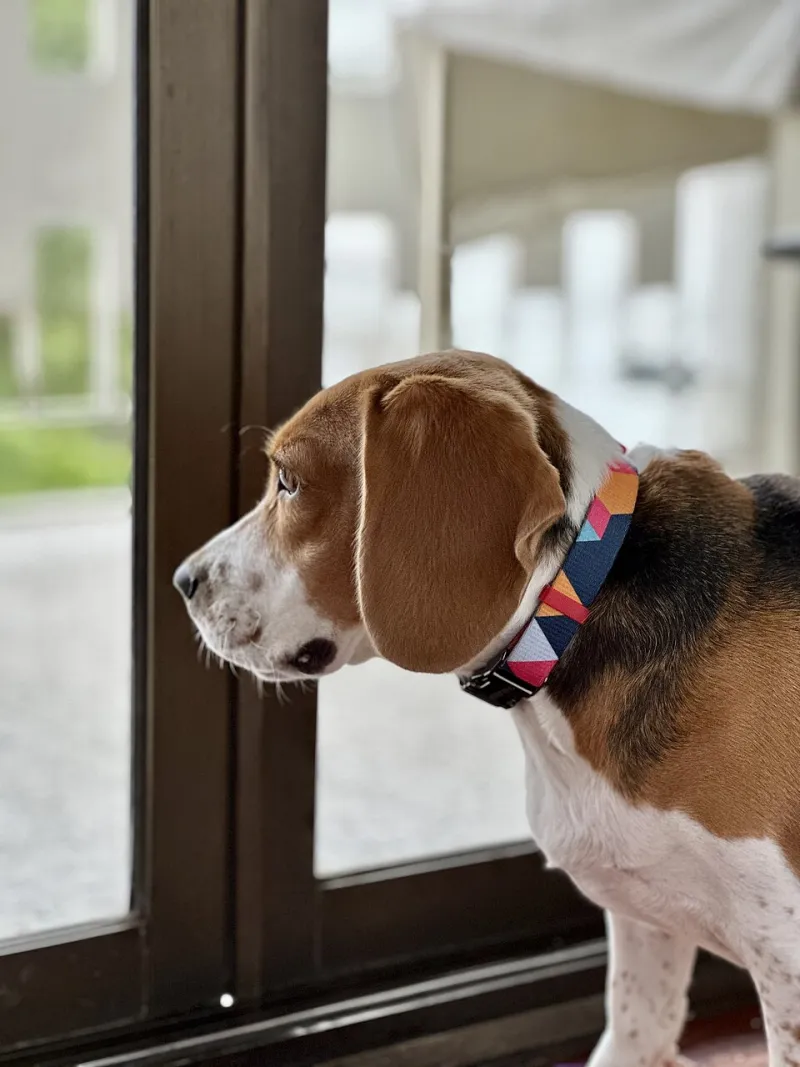
Photo: Slyronit, CC BY-SA 4.0, via Wikimedia Commons
For a subset of dogs, the sound of car keys is not a promise of adventure but a cue of impending misery. Drooling begins before the engine starts. By mile ten, there may be vomiting, trembling, or a dog pressed flat against the back seat. Motion sickness affects a meaningful share of puppies and adult dogs, and it has real consequences: affected dogs travel less, receive less exercise, and reach the veterinarian or emergency clinic later than they should.
The good news is that owners have more options than the pet-store aisle suggests. The challenge is understanding which are proven, which are off-label, and which are simply marketing.
Why Dogs Get Carsick in the First Place
Canine motion sickness originates in the vestibular system of the inner ear, which detects movement. When the signals from the ears, eyes, and body disagree — as they do in a moving vehicle — the brain can trigger nausea. Young puppies are especially susceptible because their vestibular apparatus is still maturing; many outgrow the worst of it. But learned anxiety compounds the problem. A dog who has vomited in the car a few times may begin drooling from stress alone, even before the wheels turn.
The Prescription Standard: Maropitant
The only medication approved by the FDA specifically to prevent vomiting from motion sickness in dogs is maropitant citrate (sold under the brand name Cerenia). It works by blocking neurokinin-1 receptors in the brain — the pathway that triggers the vomiting reflex — rather than sedating the animal.
Key points for owners:
- It is given as a tablet, typically with a small amount of food, at least one to two hours before travel
- A veterinarian must prescribe it after an examination
- It prevents vomiting effectively in most dogs but may not eliminate drooling or anxiety, which are nausea-adjacent rather than emetic responses
- Side effects can include drowsiness, lethargy, or injection-site soreness when given by injection
Because it is the only FDA-approved option for this indication, maropitant is usually the first-line prescription for dogs with genuine, travel-triggered vomiting.
Off-Label and Over-the-Counter Options
Several other medications appear in practice, but owners should understand their regulatory status:
- Meclizine and dimenhydrinate (Dramamine) — antihistamines commonly used off-label. They can reduce nausea and add mild sedation, but dosing for dogs differs from humans, and they should never be given without veterinary guidance.
- Ondansetron — a prescription anti-nausea drug used off-label, generally reserved for specific situations.
- Ginger supplements — some evidence supports ginger's anti-nausea properties, though products vary widely in concentration and none are FDA-evaluated for dogs.
The critical distinction: FDA approval for canine motion sickness means the product has been tested in dogs for this exact purpose. Off-label use relies on clinical experience rather than formal approval, which is why a veterinary conversation — not self-dosing from the human medicine cabinet — should come first.
Training and Management: The Non-Drug Half of the Plan
Medication works best alongside practical measures that reduce the sensory conflict and the learned anxiety:
- Positioning. A secured travel crate or booster seat facing forward, with partial visibility out the windshield, reduces vestibular confusion. Avoid rear-facing seats and windows that blur scenery.
- Climate and timing. A cool car and an empty-but-not-famished stomach (a light meal several hours ahead) lower the odds of vomiting.
- Desensitization. For dogs whose sickness has become anticipatory, gradual exposure helps: sit in the parked car, then short drives around the block, slowly extending duration. Pair every step with something positive.
- Breaks. On longer trips, stop every hour or two for water and a short walk.
Your Pre-Visit Checklist
Bring the following to your veterinary appointment to make the conversation efficient:
- Description of symptoms: drooling, vomiting, whining, pacing — and when each begins relative to the drive
- Typical trip length and frequency; note upcoming travel plans
- Age of the dog and when symptoms first appeared
- Any current medications, supplements, or flea/tick preventives
- Whether symptoms occur only in the car or elsewhere too
- Photos or video of the behavior, if safely capturable
- Questions about maropitant dosing, cost, and side effects
The Bottom Line
There is no reason a carsick dog must spend life grounded. For dogs with true travel-induced vomiting, an FDA-approved prescription option exists; for mild or anxiety-driven cases, management and training often do the heavy lifting, with medication as support. The right answer depends on your dog's age, temperament, and travel demands — a decision best made with your veterinarian, checklist in hand, well before the next long road trip.