Before the Guests Arrive: A Holiday Audit of Human Medicines That Can Harm Your Dog or Cat

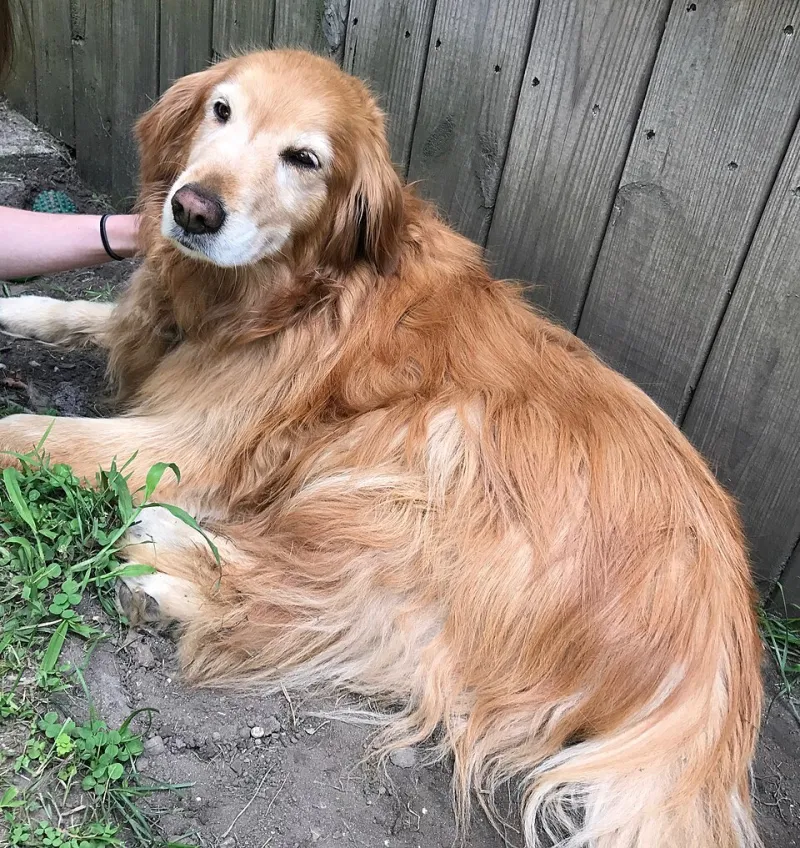
Photo: Oldsingerman20, CC0, via Wikimedia Commons
The week between Thanksgiving and New Year's is one of the busiest times of year for pet poison hotlines in the United States. Houses fill with travelers, suitcases zip open on bedroom floors, and pill organizers end up on coffee tables within reach of a curious nose. Add a plate of holiday leftovers and a dog or cat who already feels out of sorts, and the conditions are set for an accidental ingestion.
A few minutes of prevention now can spare you an emergency veterinary visit later. Here is how to conduct a thorough medicine cabinet audit before your first guest rings the doorbell.
Start in the Bathroom: The Biggest Offenders
The bathroom cabinet is where the most dangerous human medications tend to live, and several of them are ones pet owners reach for precisely because their animal seems nauseated or in pain.
Acetaminophen (Tylenol). This is among the most toxic common medications for both dogs and cats. In cats, even a single regular-strength tablet can damage red blood cells and cause fatal methemoglobinemia. In dogs, toxic effects typically begin at doses around 100–150 mg per kilogram of body weight, causing liver failure and, in severe cases, facial swelling and difficulty breathing. Cats are far more sensitive — there is no safe home dose.
Ibuprofen (Advil, Motrin). Nonsteroidal anti-inflammatory drugs designed for humans can cause stomach ulcers, kidney failure, and neurological signs in pets. Dogs begin showing toxicity at roughly 25 mg per kilogram — meaning one 200 mg tablet can seriously harm a 17-pound dog. Cats are even more vulnerable.
Naproxen (Aleve). Similar to ibuprofen but longer-acting, naproxen has an extremely narrow margin of safety in pets. A single tablet can cause gastrointestinal ulceration and kidney injury in a small dog.
Pepto-Bismol and products containing bismuth subsalicylate. While sometimes used in veterinary settings under direction, the salicylate component makes self-dosing dangerous — particularly for cats, who metabolize aspirin-like compounds very slowly.
Move to the Kitchen and Living Room
Medications don't stay in the bathroom during the holidays. Consider these common hiding spots:
-
Purses and coat pockets. Remind guests to hang bags and coats out of reach. A week's supply of Dramamine in a zippered pouch looks like a chew toy.
-
Nightstands and guest rooms. Close bedroom doors, or do a morning sweep for dropped pills — many dogs will find a tablet on the floor before your vacuum does.
-
Countertops and pill organizers. Weekly organizers with pop-out lids are no match for a determined muzzle.
What about Dramamine itself? Dimenhydrinate is occasionally prescribed for dogs in veterinary doses, but human tablets are formulated for people, and overdose causes urinary retention, elevated heart rate, and disorientation. Never share your travel sickness medication without veterinary guidance.
Recognize the Signs of Ingestion
Symptoms vary by drug, but watch for:
- Vomiting or diarrhea, sometimes with blood
- Lethargy, weakness, or stumbling
- Excessive drooling or refusal to eat
- Rapid or labored breathing
- Pale, bluish, or brownish gums (a hallmark of acetaminophen toxicity in cats)
- Seizures or collapse in advanced cases
If you suspect ingestion, do not wait for symptoms to appear, and do not induce vomiting unless a professional instructs you to.
Your Poison-Response Checklist
Print this and keep it on the refrigerator:
- Remove your pet from the area and secure the remaining medication.
- Note the details: drug name, strength in milligrams, estimated quantity ingested, and time of ingestion.
- Call the ASPCA Animal Poison Control Center: (888) 426-4435 (a consultation fee applies), or the Pet Poison Helpline at (855) 764-7661.
- Contact your veterinarian or the nearest emergency animal hospital — holiday hours vary, so have the address handy before you need it.
- Bring the packaging with you to the clinic.
- Do not offer food, water, or home remedies until advised.
A Safer Holiday, By Design
The principle is simple: human medications are formulated for human bodies, and the doses that soothe us can be catastrophic for a 12-pound cat or even a large-breed dog. If your pet seems nauseated or achy this season, resist the instinct to reach for your own remedies. Instead, call your veterinarian — there are veterinary-formulated options designed with your animal's metabolism in mind.
An hour spent childproofing — pet-proofing — your home is an hour well invested. Your guests will never notice, but your pet's life may depend on it.